Trading isn’t just candles, charts, and indicators. It’s also trading psychology - and that’s what usually decides whether you make a profitable trade or lose money. You can master technical analysis, read the financial markets, and stick to your trading plan - but it all collapses when emotions take over: greed, panic, and the dreaded FOMO.
Trading Psychology: Why Emotions Can Destroy Even the Best Strategies
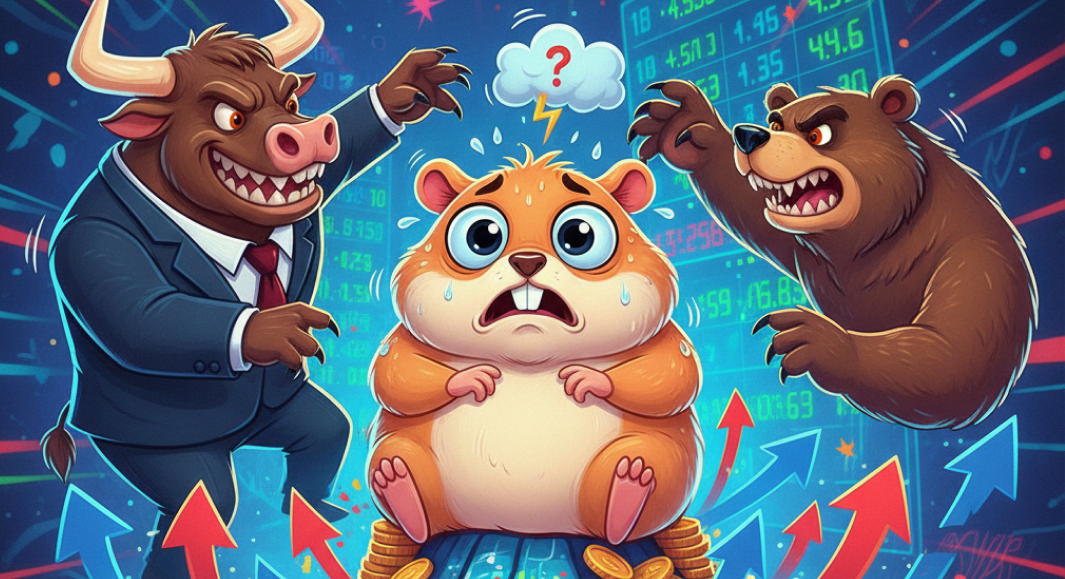
Emotions in Trading: The Market vs. Your Nerves
The market isn’t evil or kind – it simply exists. It didn’t “wipe you out”; you overleveraged and skipped your stop-loss.
Emotional trading is every trader’s biggest enemy, especially during high market volatility.
When Bitcoin pumps +20% in a day, even seasoned day traders forget their trading strategy and start “trusting intuition.”
But intuition in trading is often just a disguise for cognitive bias. For example:
- FOMO – fear of missing out. “I’ll jump in before it’s too late!” (spoiler: it’s too late).
- Herd behavior – “Everyone’s buying, I should too.”
- Panic selling – the market dumps, you sell at the bottom. Classic.
Trading Behavior: How to Control Your Emotions in a Trade
Control your emotions – it’s not a motivational quote, it’s a survival skill.
Here are some practical ways to manage your emotions and avoid emotional disaster:
1
Your trading plan is your armor
Define your entry, exit, and risk management levels in advance. If the market goes against you – don’t improvise. No plan = no trader. You’re just gambling.
2
Track trades and emotional reactions
Monitor not just your numbers but your mindset. Example: “Bought ETH on a dip, heart racing, palms sweating” – that’s your brain telling you the risk feels too high. Log it. After a month, you’ll see patterns that trigger your worst trading decisions.
3
Control your position size
Don’t risk more than you’re ready to lose. Even if an asset “surely goes up,” the financial markets owe you nothing.
4
Take breaks – seriously
After a string of losing trades, step away. Revenge trading hurts more than missing a rally.
Common Emotions That Move the Market: Fear, Greed, and FOMO
Think emotions are just a newbie thing? Let’s look at some moments when emotions could move billions.
The FOMO Epidemic of Late 2017
A full-on bull run – Bitcoin jumps from $3,000 to nearly $20,000. Everyone’s “in”: taxi drivers, barbers, grandmas buying “some Ethereum.” Pure FOMO: “Everyone’s making money – I don’t want to miss out!” Result? A bubble that popped in January 2018. Most traders learned a new term: loss aversion.
The Panic of March 2020
COVID hits, lockdowns start, uncertainty everywhere. Bitcoin crashes from $8,000 to $3,800 overnight. Fear triggered instant liquidation – even experienced traders bailed before the rebound. Those who could control emotions and buy during the chaos? Sitting on profitable trades months later. The market punished panic and rewarded resilience.
Spring 2021: DOGE and the Cult of FOMO
Elon Musk tweets about DOGE – and the herd runs for the moon. A meme coin with zero fundamentals makes x100, then tanks.
That’s trading psychology in its purest form: greed, overconfidence, and mass delusion. Lesson learned: FOMO isn’t a trading strategy, it’s an impulsive emotional reaction.
That’s trading psychology in its purest form: greed, overconfidence, and mass delusion. Lesson learned: FOMO isn’t a trading strategy, it’s an impulsive emotional reaction.
Trader Psychology: Are You a Player or a Strategist?
A trader without emotional control is like a driver without brakes. During a bull run – all fine. But when correction hits, emotions explode:
“I need to win it back,” “I’ll go all in on margin,” “I’ll recover my losses.” That’s how suboptimal decisions and significant losses are made.
Real trading psychology means staying rational even when the chart looks like a rollercoaster.
Control Emotions: The Market Works Against the Emotional
If you trade emotionally, the market works against you. Want it on your side? Accept this truth: emotions are part of the system – not the engine of decision-making.
- Trading psychology matters more than indicators.
- To control emotions = to control risk management.
- Without discipline, even a great trading strategy turns into a coin flip.
The market isn’t your enemy – it’s a mirror. It reflects your greed, fear, and loss aversion. When you learn to manage your emotions, trading starts working with you, not against you.
And remember: FOMO is not a strategy. It’s just the fastest way to donate your money to the market.
FAQ
Because everyone sees the same chart - but not everyone makes the same trading decisions. Technical analysis shows levels; trading psychology decides if you’ll buy, sell, or freeze. In a bull market, patience beats intelligence.
If you’re entering a trade because “everyone says it’ll pump” - that’s FOMO. It’s your brain saying “hurry,” and logic whispering “too late.”
A profitable trading strategy has a plan, entry, exit, and risk management - not vibes and hope.
First - panic is not a strategy. Second - volatility is part of every market, especially crypto. Want to survive?
- Use stop-losses.
- Don’t trade your rent money.
- If you can’t sleep with an open position, it’s too big.
Write down your trading plan and stick to it - even when the market screams the opposite. Notice emotional spikes - excitement or fear - and step away. Skipping one trade is better than losing your account to an impulsive move. Trading psychology is like fitness: consistency builds results.
Don’t fall for revenge trading - that’s a trap. Pros review their mistakes, not double down on them. Take a break, adjust your strategy, reduce exposure. And remember: a losing trade isn’t failure - it’s feedback. In financial markets, survival is the real win.
Latest Articles