
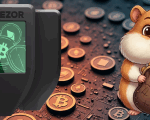









What Is a Cryptocurrency Wallet?
A cryptocurrency wallet is a tool—software-based or hardware-based—that allows users to store, send, and receive digital assets. Unlike exchanges, crypto wallets give you direct control over your private keys, making them a core element of secure digital asset management.
- Software (hot) wallets: Mobile apps, desktop programs, browser extensions.
- Hardware (cold) wallets: Physical devices designed for offline storage.
- Custodial wallets: Wallets managed by an exchange or service provider.
- Non-custodial wallets: You own and control the private keys.
Why Choosing the Right Crypto Wallet Matters
The wallet you choose determines how securely your crypto is stored, how easily you can access it, and how protected you are from hacks or loss of funds. With thousands of wallets on the market, quality varies from highly secure, audited solutions to unsafe or abandoned apps.
Main Advantages of Using a Trusted Crypto Wallet
- Full control of your funds: Non-custodial wallets give you complete ownership.
- Enhanced security: Hardware wallets provide offline protection.
- Convenient management: Apps allow quick transfers, swaps, and staking.
- Better privacy: Many wallets do not require personal data.
- Multi-asset support: Manage hundreds of cryptocurrencies in one place.
Types of Crypto Wallets
Software (Hot) Wallets
Software wallets are digital applications used on mobile, desktop, or via browser extensions. They are convenient but rely on internet-connected devices.
- Instant access to funds
- Easy setup and daily usage
- Often support swaps, staking, and DeFi
- Can be vulnerable to malware or phishing if not secured properly
Hardware (Cold) Wallets
Hardware wallets are physical devices that store private keys offline, making them highly resistant to hacking.
- Best-in-class security for long-term storage
- Private keys stay offline at all times
- Compatible with many software wallets
- Requires physical device access to sign transactions
Custodial Wallets
Custodial wallets are managed by third-party providers such as exchanges.
- Easiest option for beginners
- Fast recovery options via email or support
- No need to manage private keys
- Risk of losing funds if the custodian is hacked or compromised
Non-Custodial Wallets
Non-custodial wallets give you full ownership over your private keys and crypto assets.
- Direct control of your funds
- No reliance on third parties
- Higher security when combined with good practices
- Responsibility for seed phrase backup falls entirely on the user
Popular Features Offered by Crypto Wallets
- Built-in swaps and DEX integrations
- Staking, savings, and passive yield
- NFT storage and marketplace access
- Multi-chain support (BTC, ETH, EVM chains, Solana, etc.)
- Hardware wallet compatibility
Quick Checklist: How to Evaluate a Crypto Wallet Fast
✔ Quick Crypto Wallet Checklist
- Non-custodial with full private key ownership
- Secure backup and recovery options
- Supports major coins and multiple networks
- User-friendly interface with fast performance
- Positive reviews and transparent development
- Optional hardware wallet integration
- Clear, verifiable audits or open-source code
❌ Key Wallet Red Flags
- Closed-source code with no audit history
- Anonymous developers or unclear ownership
- Forced custodial storage without user control
- Login-only recovery that replaces seed phrases
- Excessive permissions or suspicious app behavior
- No updates, poor support, or abandoned project
- Unexplained downtime or lost user funds reports
Final Thoughts: Choosing a Reliable Crypto Wallet
Picking a secure, well-designed crypto wallet is one of the most important decisions you can make in the digital asset world. A good wallet protects your private keys, simplifies asset management, and supports the networks and tools you use most.
Use the detailed checklist to compare multiple wallets before committing, and rely on the quick checklist to instantly filter out unsafe or low-quality options. With the right crypto wallet—hardware or software—you can significantly enhance both the security and convenience of your cryptocurrency experience.